
Pakistan’s Strategic Repositioning in the Post-Galwan Era: From Continental Balancing to Global Diplomatic Centrality
•
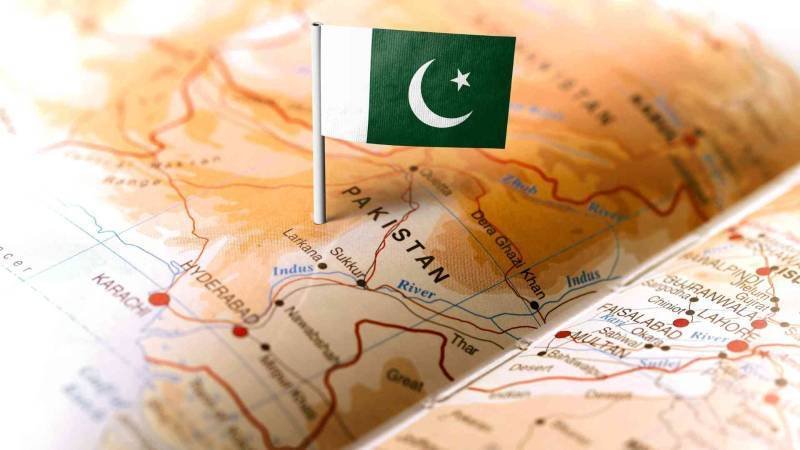
The geopolitical landscape of South Asia has undergone a profound structural transformation. While the June 2020 Sino-Indian clash in the Galwan Valley established a new strategic reality along the Himalayan frontier, developments throughout 2026 have fundamentally altered Pakistan’s regional and international position. India’s unilateral constitutional and cartographic changes concerning Jammu, Kashmir and Ladakh strengthened…

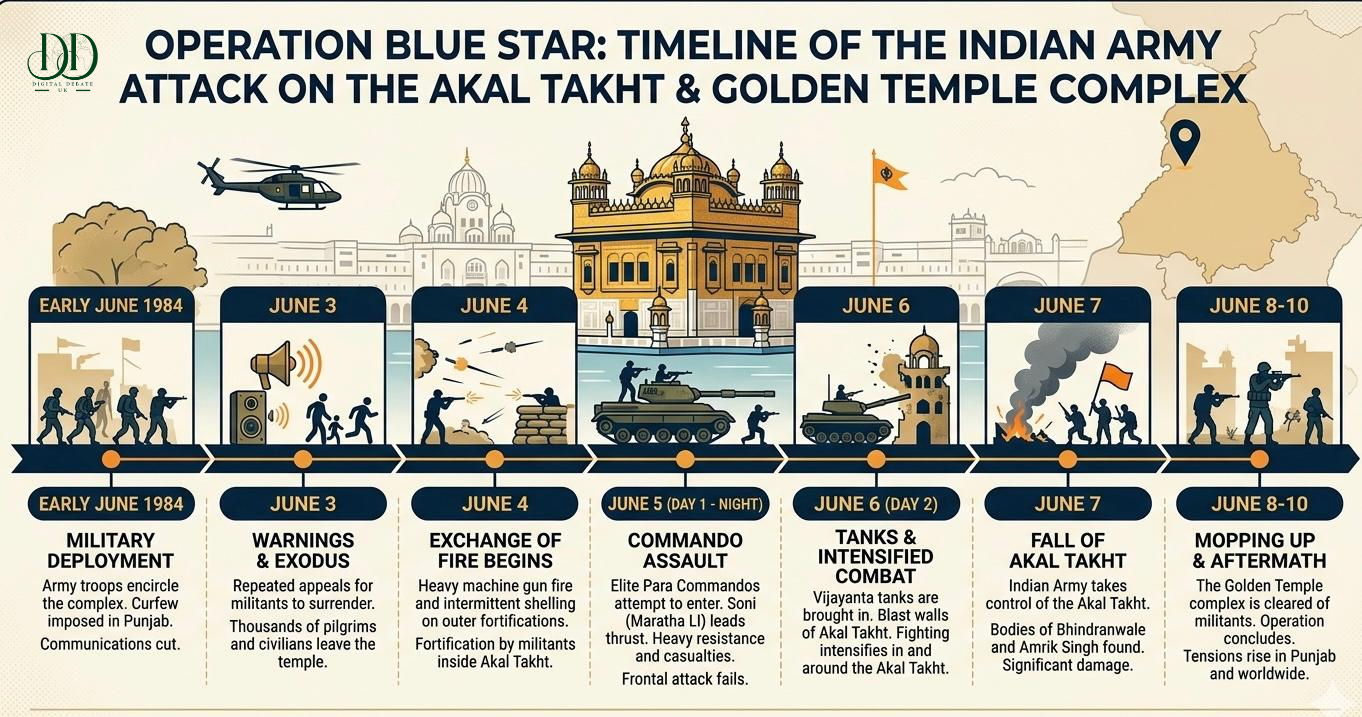
Operation Blue Star: Timeline of the Indian Army Attack on the Akal Takht & Golden Temple Complex
•
The Indian Army’s intervention at the Akal Takht and the broader Golden Temple grounds serves as a profound historical study of the immense tactical challenges and cascading long-term consequences that arise when state-led military maneuvers are conducted within deeply sensitive, sacred environments. Operational Timeline

Water as a Weapon: How India’s Suspension of the Indus Waters Treaty Threatens Pakistan’s Future
•
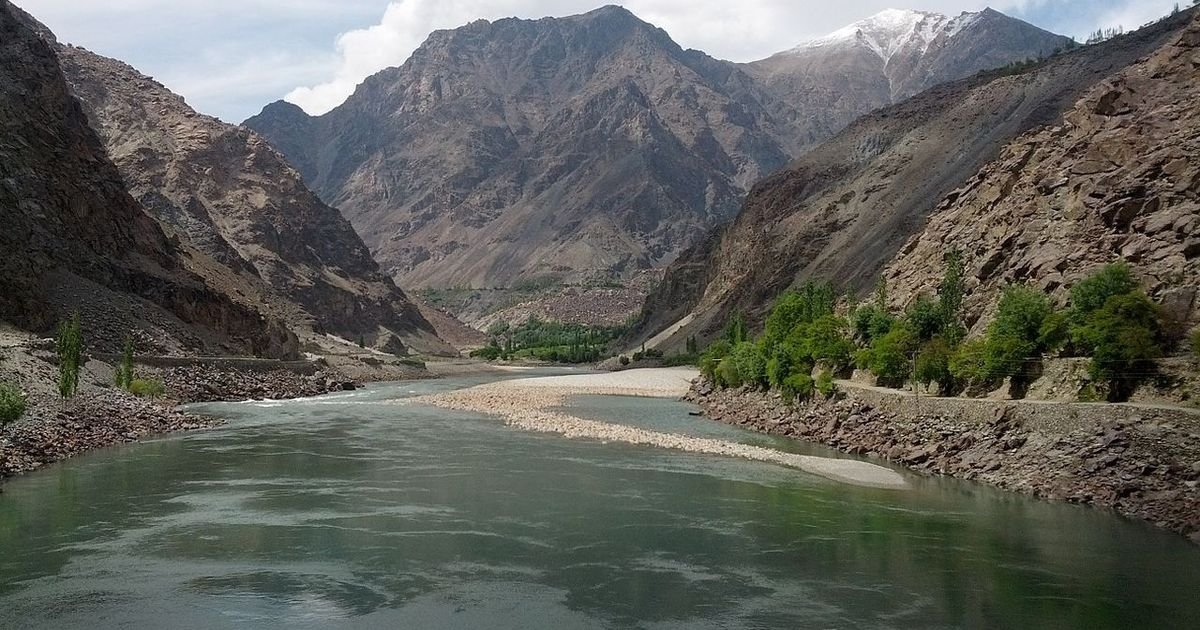
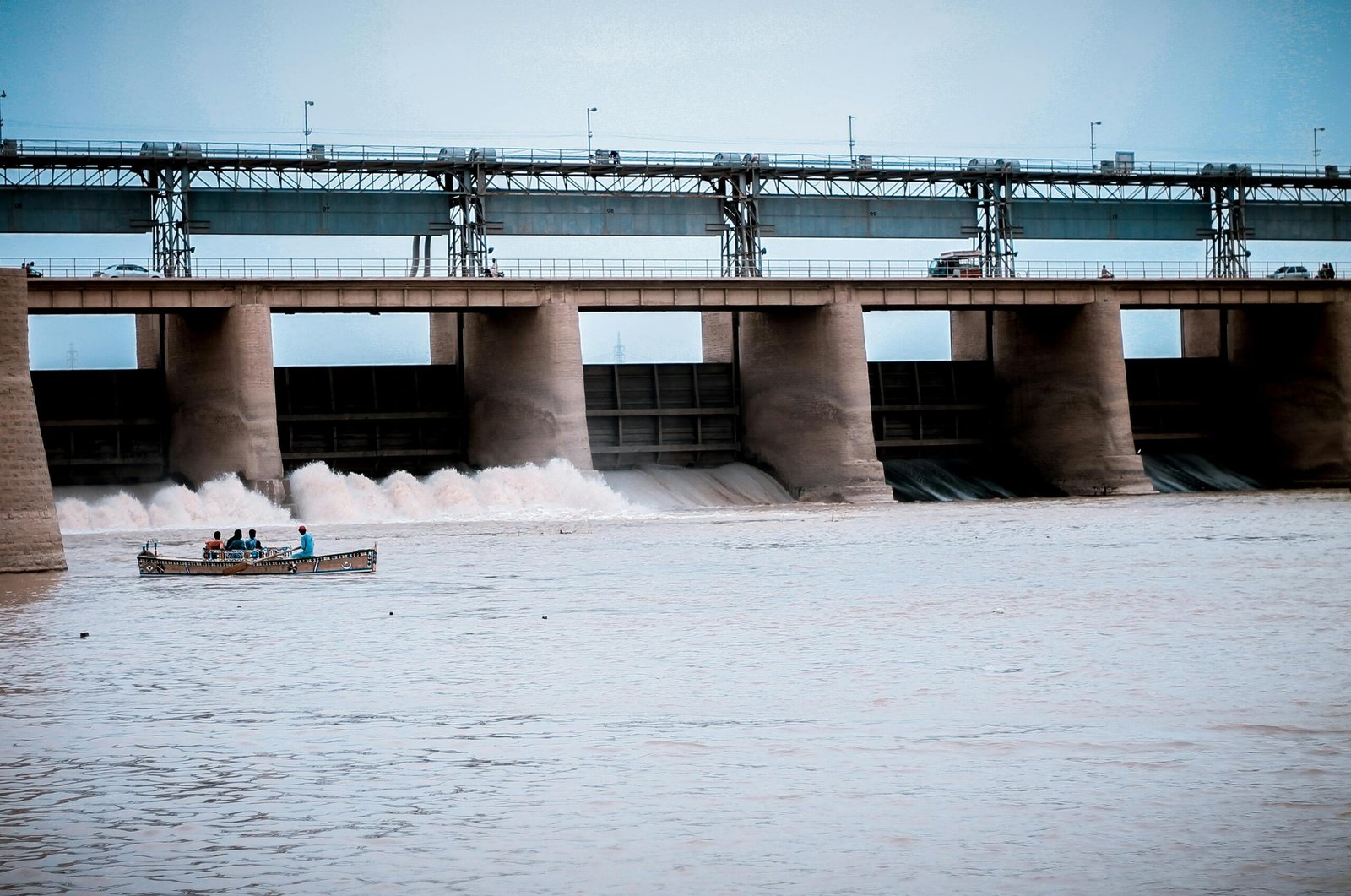
A Treaty in Abeyance The Indus Waters Treaty (IWT), brokered in 1960, is a foundational international agreement that serves as the lifeblood for hundreds of millions of people in Pakistan and India. For decades, it survived regional conflicts as a model of bilateral resource management. However, this stability was shaken in April 2025 when…

Bhan Singh’s List: Recording Sikh genocide of June 1984
•
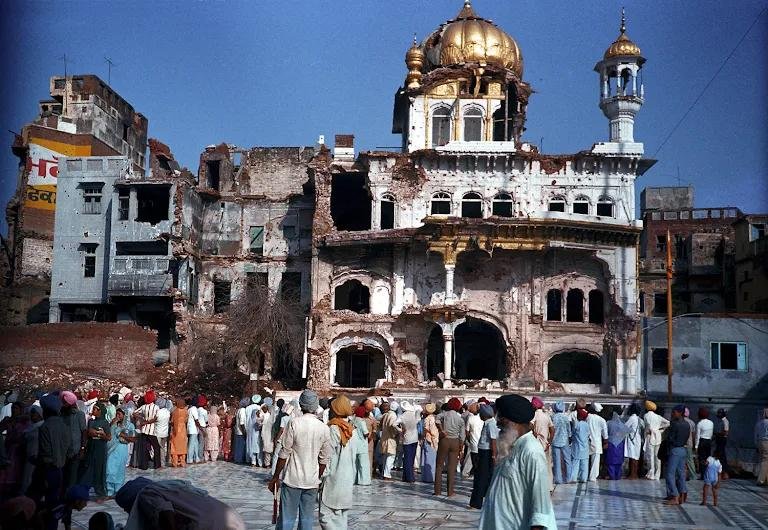
The June 1984 Indian military assault on the Sikh religion’s most sacred place of worship, the Golden Temple complex, Sri Harimandar Sahib and Akal Takht Sahib, stands as a monumental watershed in modern Sikh and Indian history. This historical event exposed a profound rift between state-mandated narrative and collective trauma. The Indian government classified…

Eid, Faith, Systematic Fear: The Shrinking space for Muslim festivals in India
•
For millions of Muslims across India, the arrival of Eid ul-Adha should be a season of profound spiritual devotion, communal charity, and familial gathering. The core religious rite involves Qurbani, the ritual sacrifice of livestock to commemorate Prophet Ibrahim’s obedience to God, with the meat distributed among family, neighbours, and impoverished communities. Yet, in…

The Invisible Crisis: The Vulnerability of the Indus Basin Aquifer
•
The Indus Basin, often termed the “lifeline” of Pakistan, is shifting from a state of water stress to absolute scarcity. While surface water fluctuations in the Indus River attract significant political and media attention, the Indus Basin Aquifer, a vast, transboundary reservoir of groundwater, is facing a silent, existential threat. This aquifer provides over…

Hate Speech Against Muslims and Christians in India’s Political Landscape
•
India’s constitutional framework is founded on secularism, pluralism, and equal citizenship. Yet over the past decade, political discourse surrounding religious identity has become increasingly polarised. Hate speech directed at religious minorities, especially Muslims and Christians, has emerged as a major concern for scholars, civil society organisations, journalists, and international observers. The issue is no…

The Hydro-Geopolitical Chessboard: The Teesta River Dispute, China’s Ingress, and India’s Strategic Dilemma
•
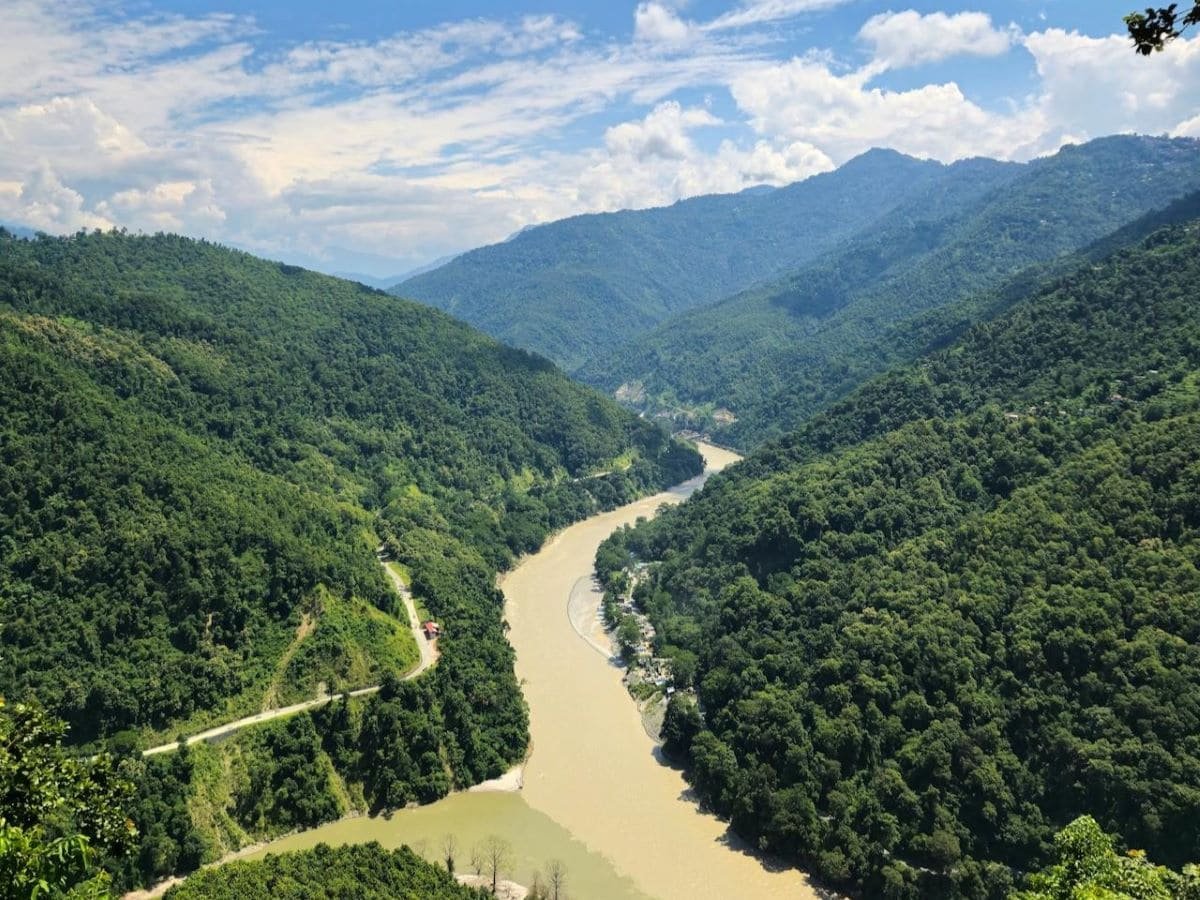
Transboundary rivers have historically served as the lifelines of human civilisation, yet in modern South Asia, they increasingly function as arenas of intense geopolitical competition. The long-festering dispute over the Teesta River between India and Bangladesh serves as a prime case study of how a localised, upper-versus-lower riparian resource conflict can mutate into a…