
The Islamabad Memorandum: A New Paradigm for Middle Power Diplomacy
•
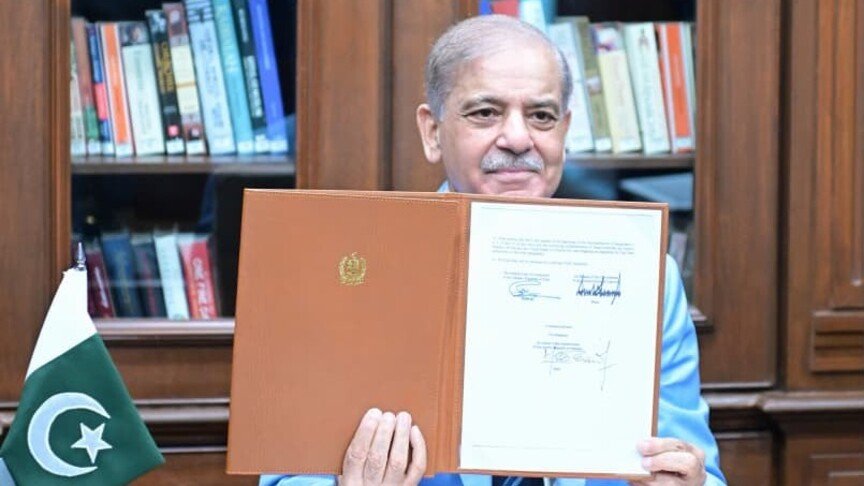
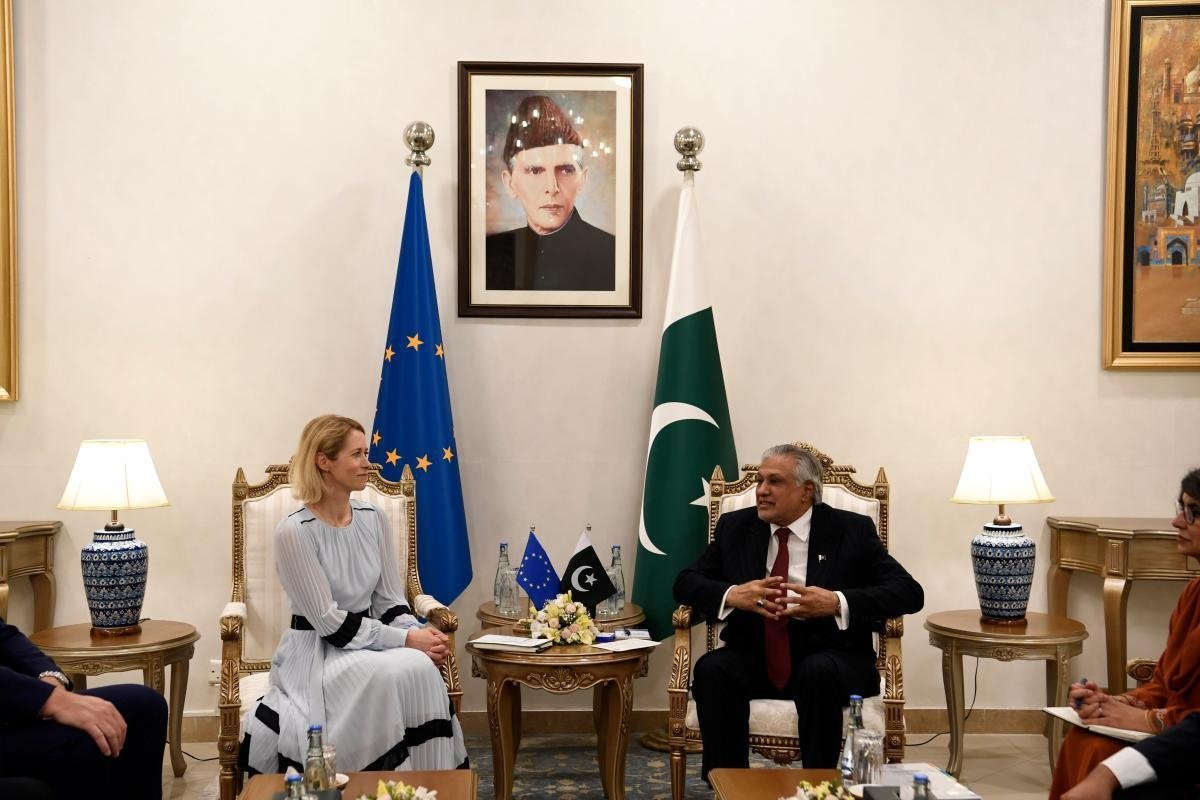
The signing of the Islamabad Memorandum of Understanding (MoU) on 17 June 2026 marks a watershed moment in contemporary geopolitics. By facilitating a ceasefire between the United States and Iran to halt a conflict that threatened global economic stability, Pakistan has transitioned from a peripheral player to a pivotal mediator. This agreement, whilst interim…

The Illusion of Stability: Assessing the Impact of Extra-Regional Actors in the Indian Ocean
•
For over a decade, the strategic discourse surrounding the Indian Ocean Region (IOR) has been heavily influenced by the narrative of India aspiring to act as a “net security provider”. However, the recent escalation of maritime incidents in the Gulf of Oman and the broader Arabian Sea has cast a significant shadow over this…

Water as a Weapon: How India’s Suspension of the Indus Waters Treaty Threatens Pakistan’s Future
•
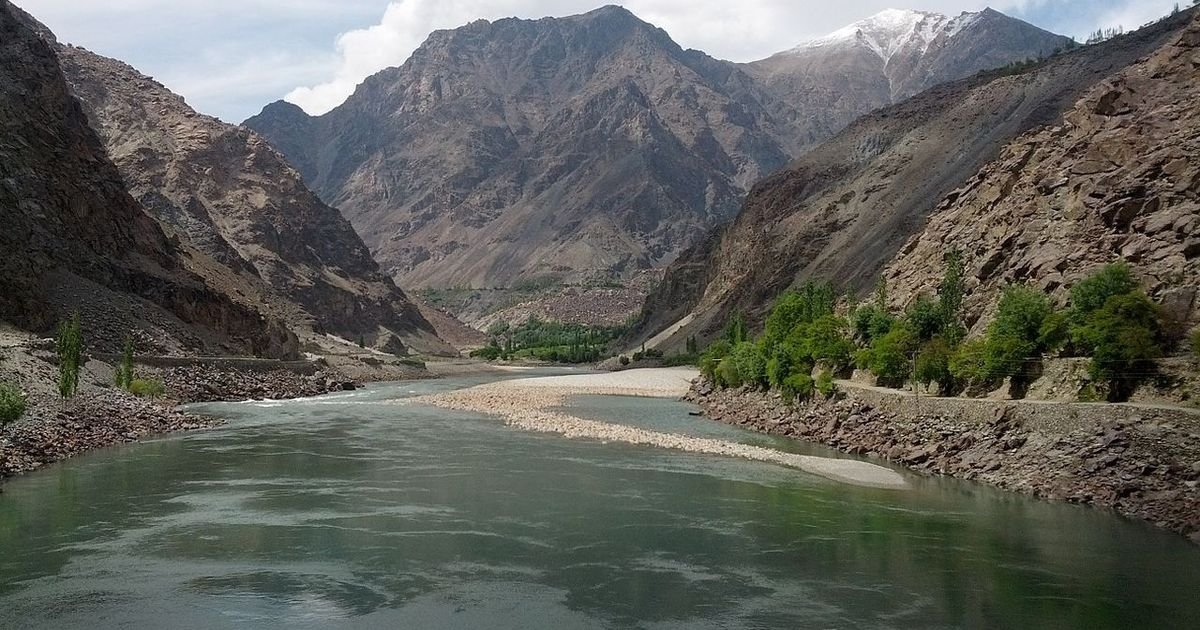
A Treaty in Abeyance The Indus Waters Treaty (IWT), brokered in 1960, is a foundational international agreement that serves as the lifeblood for hundreds of millions of people in Pakistan and India. For decades, it survived regional conflicts as a model of bilateral resource management. However, this stability was shaken in April 2025 when…

Strategic Imperatives and Ascendant Horizons: Pakistan’s Space Renaissance and the Calculus of Information Dominance
•
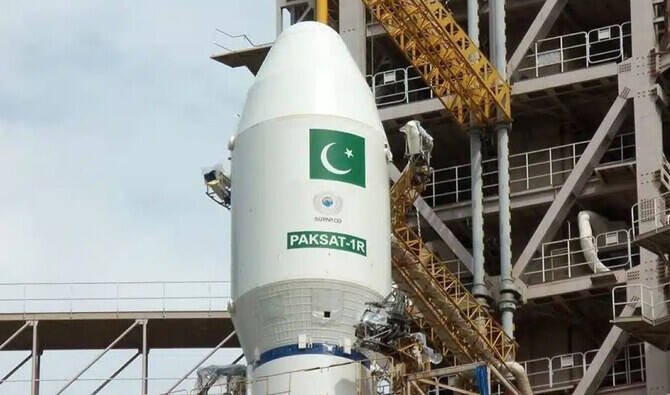
A Rapid Trajectory to the High Ground Pakistan has radically transformed its strategic posture through an unprecedented expansion of its space capabilities. Between January 2025 and June 2026, the Space and Upper Atmosphere Research Commission (SUPARCO) launched six advanced Earth-observation satellites, effectively matching its entire launch record from the previous six decades within a…

Breaking the Nuclear Deadlock: Kazakhstan’s Strategic Leverage in the US–Iran Ceasefire Negotiations
•
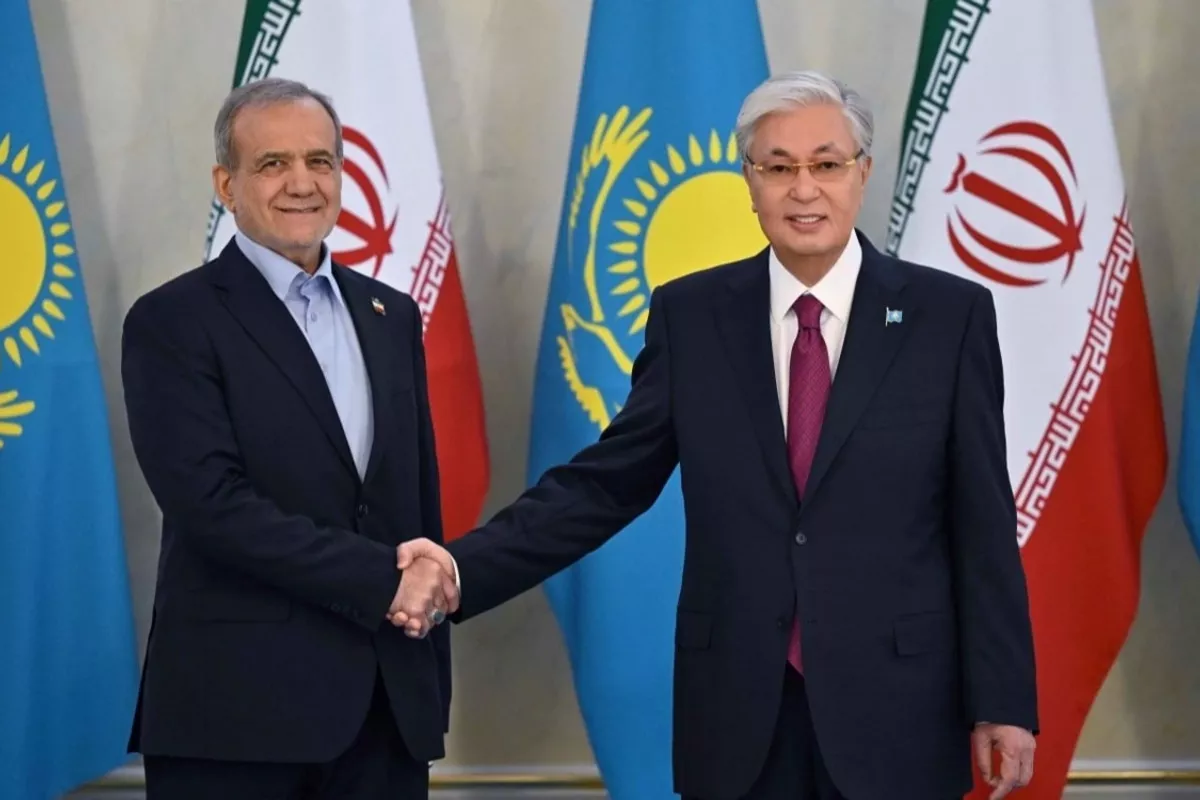
The current phase of back-channel diplomatic negotiations between Washington and Tehran has reached a critical juncture, with the final disposition of Iran’s highly enriched uranium stockpile emerging as the primary obstacle to a sustainable regional settlement. Following the military operations conducted by a joint United States and Israeli coalition against major Iranian nuclear sites,…

Bhan Singh’s List: Recording Sikh genocide of June 1984
•
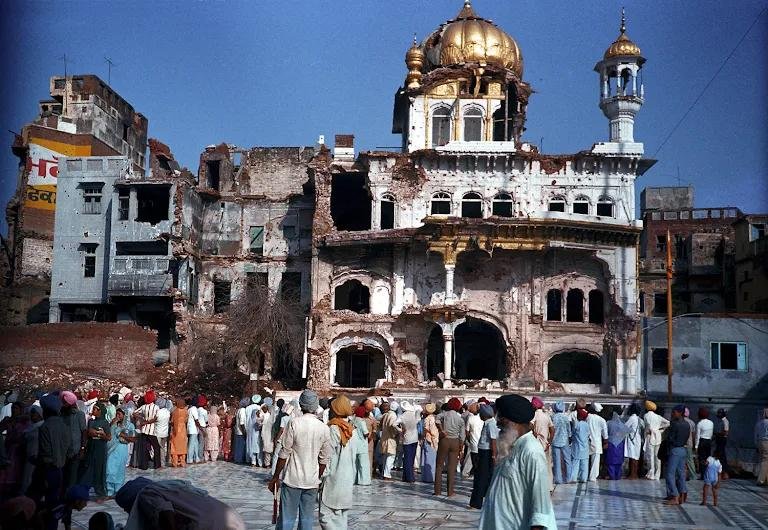
The June 1984 Indian military assault on the Sikh religion’s most sacred place of worship, the Golden Temple complex, Sri Harimandar Sahib and Akal Takht Sahib, stands as a monumental watershed in modern Sikh and Indian history. This historical event exposed a profound rift between state-mandated narrative and collective trauma. The Indian government classified…
The Masterclass of Strategic Realism: Pakistan’s Diplomatic Resurgence in 2026
•
Following years of relative geopolitical isolation, Pakistan has achieved a remarkable diplomatic resurgence, positioning itself as an indispensable mediator in the volatile Middle East. This shift marks a transition from a submissive foreign policy to a pragmatic, multipolar strategy of strategic realism. Rather than aligning strictly with a single superpower, Islamabad has maintained parallel,…

Eid, Faith, Systematic Fear: The Shrinking space for Muslim festivals in India
•
For millions of Muslims across India, the arrival of Eid ul-Adha should be a season of profound spiritual devotion, communal charity, and familial gathering. The core religious rite involves Qurbani, the ritual sacrifice of livestock to commemorate Prophet Ibrahim’s obedience to God, with the meat distributed among family, neighbours, and impoverished communities. Yet, in…

TWO MILESTONES IN HISTORY: Pakistan’s Nuclear tests – and the Conquest of Constantinople
•
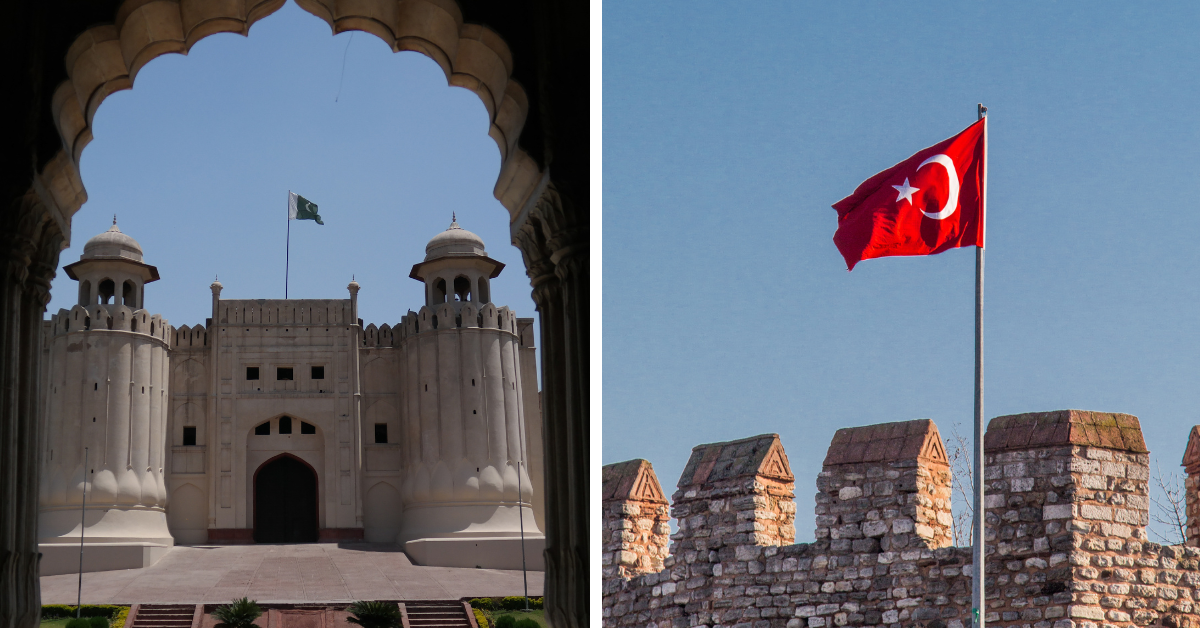
The month of May has been important in history. On 28 May 1998, Pakistan became a nuclear power, the first and only country in the Muslim world to attain this status. Pakistan was constrained to conduct the tests after India carried out its provocative nuclear tests. This also needs to be noted in the…

At the Edge of an Arms Race: The Limits of the NPT Review Process
•
The forthcoming review conference of the Nuclear Non-Proliferation Treaty (NPT) convenes at a flashpoint for the global nuclear order. Once known as the bedrock of international security, the treaty is buckling under the weight of geopolitical rivalries and rapid technological shifts. With the world’s total nuclear inventory hovering around 12,100 warheads, expectations that this…