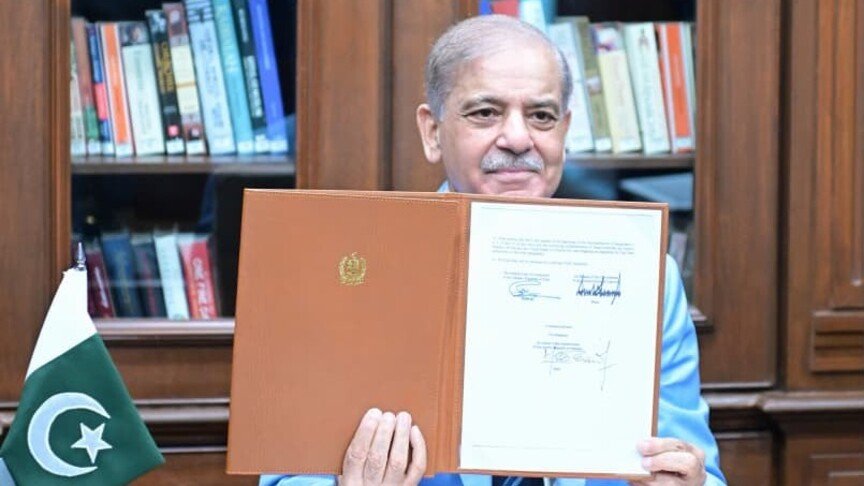
The signing of the Islamabad Memorandum of Understanding (MoU) on 17 June 2026 marks a watershed moment in contemporary geopolitics. By facilitating a ceasefire between the United States and Iran to halt a conflict that threatened global economic stability, Pakistan has transitioned from a peripheral player to a pivotal mediator. This agreement, whilst interim in nature, represents a significant recalibration of influence in the Global South.
The Real Victor: Diplomacy Over Deterrence
To characterise the Islamabad MoU as a “victory” for any single nation is to miss the fundamental shift it represents. The agreement serves as a hard-won victory for diplomacy over kinetic warfare.
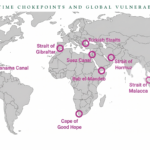
- Global Impact: The immediate cessation of hostilities and the reopening of the Strait of Hormuz effectively prevented a catastrophic escalation of energy prices and supply chain paralysis. For the global community, the MoU provided necessary breathing room in a world teetering on the edge of a wider systemic conflict.
- The Mediator’s Gain: For Pakistan, the MoU is a strategic triumph. By successfully navigating the competing interests of Washington and Tehran, whilst incorporating the regional support of partners such as Saudi Arabia, Turkey, and Qatar, Islamabad has demonstrated that middle powers possess the unique diplomatic leverage required to bridge deep ideological and military divides.
Geopolitical Rebalancing: Pakistan vs. India
The success of the Islamabad MoU has profound implications for the regional rivalry with India. For years, New Delhi pursued a policy of “isolating” Pakistan, branding it a pariah on the international stage whilst promoting its own image as a stable, indispensable democratic partner to the West. The Islamabad Memorandum has, in a single stroke, disrupted this narrative.
- The Exposure of “Selective Alignment”: Whilst India’s “multi-alignment” strategy was designed to maintain ties with all major powers and bolster its influence, the Iran-US crisis revealed its limitations. India, despite its massive economic stakes in the Persian Gulf, found itself sidelined. Its reliance on “selective alignment” rendered it unable to act as a bridge, whereas Pakistan’s ability to maintain transactional trust with both Washington and Tehran proved more strategically effective.
- Diplomatic Relevance: By becoming the principal channel for the most critical geopolitical negotiation of 2026, Pakistan has demonstrated that its diplomatic utility is a reality that cannot be ignored. The contrast is sharp: whilst India remains locked in a policy of “coercive unilateralism” regarding regional disputes and water-sharing, Islamabad has successfully positioned itself as a constructive, peace-oriented contributor to global stability.
- Shifting the Narrative: The name of the agreement, the Islamabad Memorandum, carries symbolic weight. It forces the international community to engage with Pakistan as a solution-provider rather than a security problem. For New Delhi, which has invested heavily in the “terrorism narrative” to delegitimise Islamabad, this development represents a significant diplomatic setback, proving that Pakistan’s regional and international importance is not as fragile as its rivals had hoped.
The Future
As of late June 2026, the Islamabad MoU is being tested in real time. Whilst the framework has successfully halted the primary theatre of the Iran-US war, the road to a “final deal” remains fraught with complexity.
- The Fragility of the Framework: The 60-day negotiation window is the crucial clock for the international community. Scepticism remains high; flare-ups in peripheral theatres continue to test the endurance of the deal. The agreement acts as a stabiliser, but it is not a permanent solution to underlying nuclear and security grievances.
- The Burden of Expectation: The world is now looking to Islamabad to shepherd the next phase of negotiations. The success of the Memorandum hinges on whether Pakistan can maintain its position as a “neutral guarantor” whilst the two primary parties navigate the sensitive issues of sanctions relief, nuclear proliferation, and regional security architectures.
- A Precedent for the Future: Regardless of the final outcome, the Islamabad MoU has permanently changed the diplomatic playbook. It highlights that the “Great Power” model of conflict management is increasingly dependent on the cooperation of regional middle powers.
The stability of the international order was given a huge victory through the Islamabad MOU. Pakistan’s role in this chapter underscores a maturing of its foreign policy, one that prioritises regional peace as the foundational requirement for global prosperity. The world will be watching to see if this Islamabad “framework” can indeed evolve from a temporary reprieve into a lasting structure for peace, further solidifying Pakistan’s newly revitalised international standing.