
Water as a Weapon: How India’s Suspension of the Indus Waters Treaty Threatens Pakistan’s Future
•
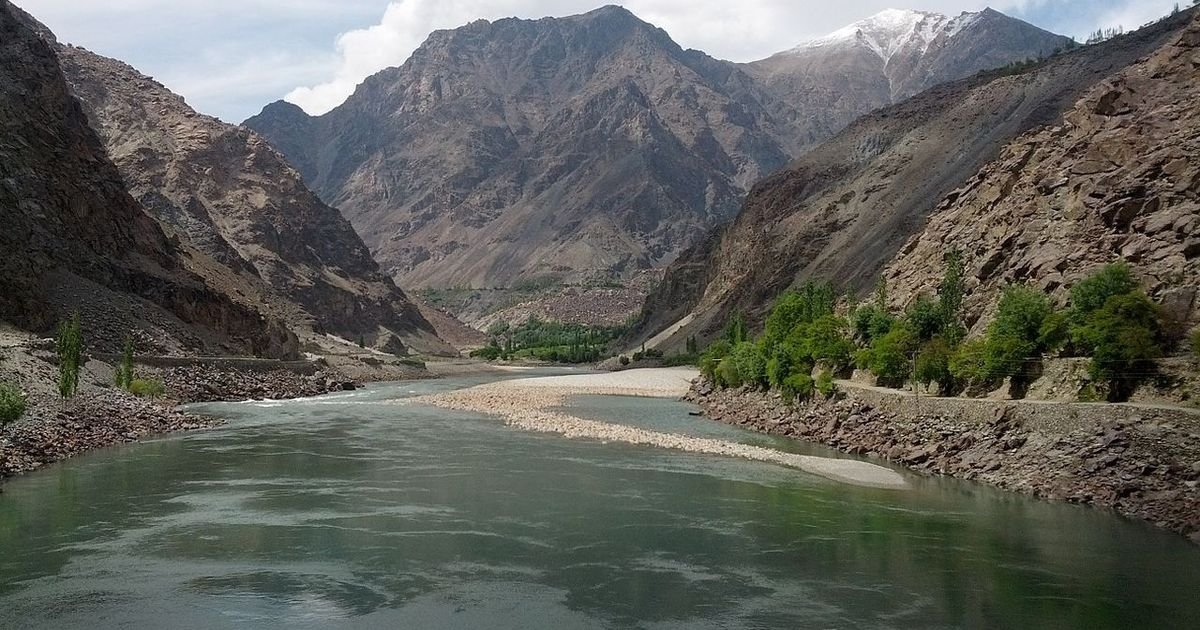
A Treaty in Abeyance The Indus Waters Treaty (IWT), brokered in 1960, is a foundational international agreement that serves as the lifeblood for hundreds of millions of people in Pakistan and India. For decades, it survived regional conflicts as a model of bilateral resource management. However, this stability was shaken in April 2025 when…

Breaking the Nuclear Deadlock: Kazakhstan’s Strategic Leverage in the US–Iran Ceasefire Negotiations
•
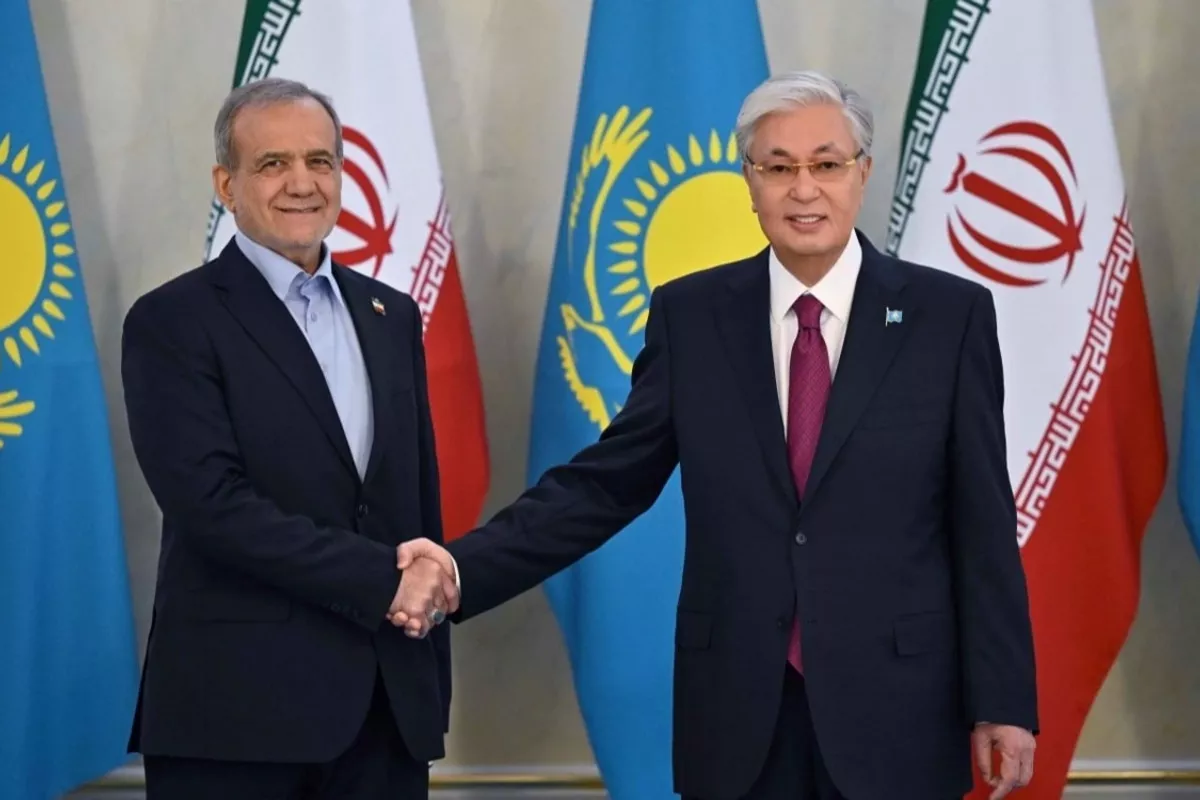
The current phase of back-channel diplomatic negotiations between Washington and Tehran has reached a critical juncture, with the final disposition of Iran’s highly enriched uranium stockpile emerging as the primary obstacle to a sustainable regional settlement. Following the military operations conducted by a joint United States and Israeli coalition against major Iranian nuclear sites,…
The Masterclass of Strategic Realism: Pakistan’s Diplomatic Resurgence in 2026
•
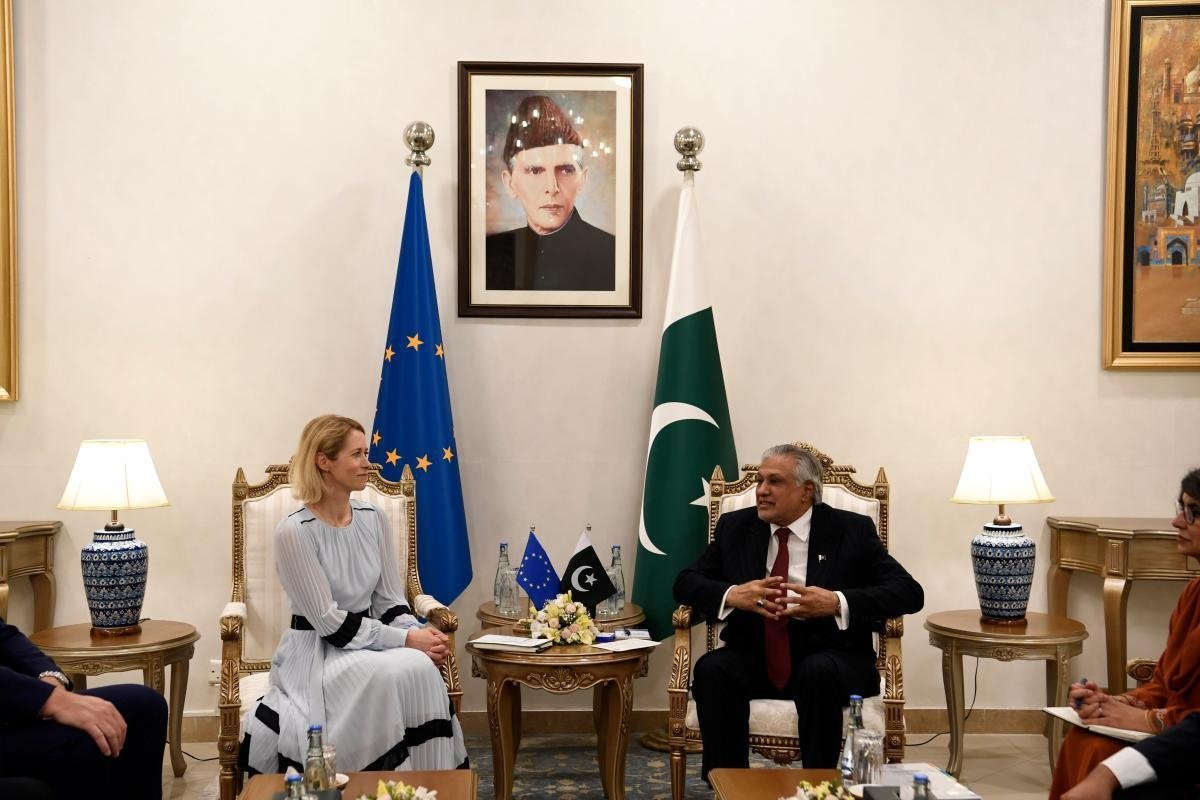
Following years of relative geopolitical isolation, Pakistan has achieved a remarkable diplomatic resurgence, positioning itself as an indispensable mediator in the volatile Middle East. This shift marks a transition from a submissive foreign policy to a pragmatic, multipolar strategy of strategic realism. Rather than aligning strictly with a single superpower, Islamabad has maintained parallel,…

Global Maritime Chokepoints
•
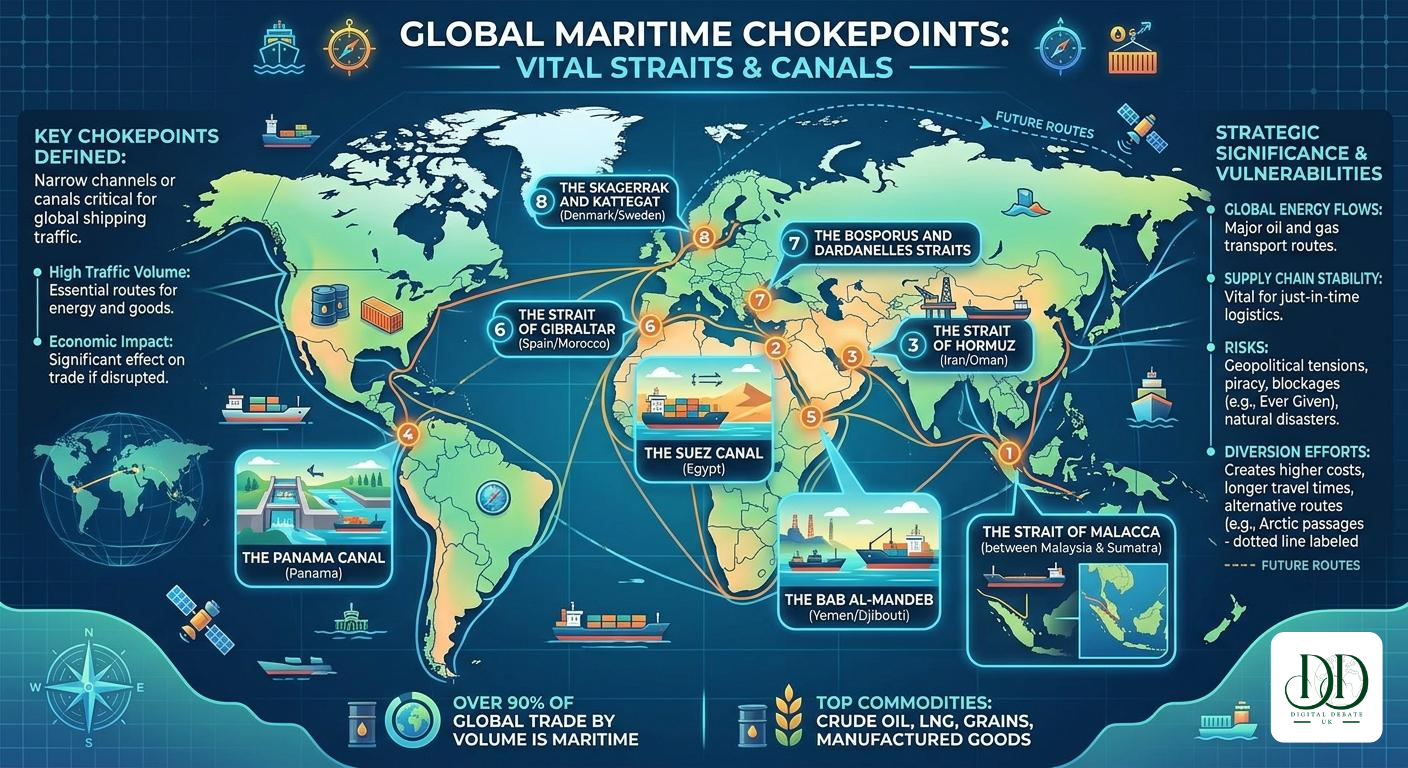
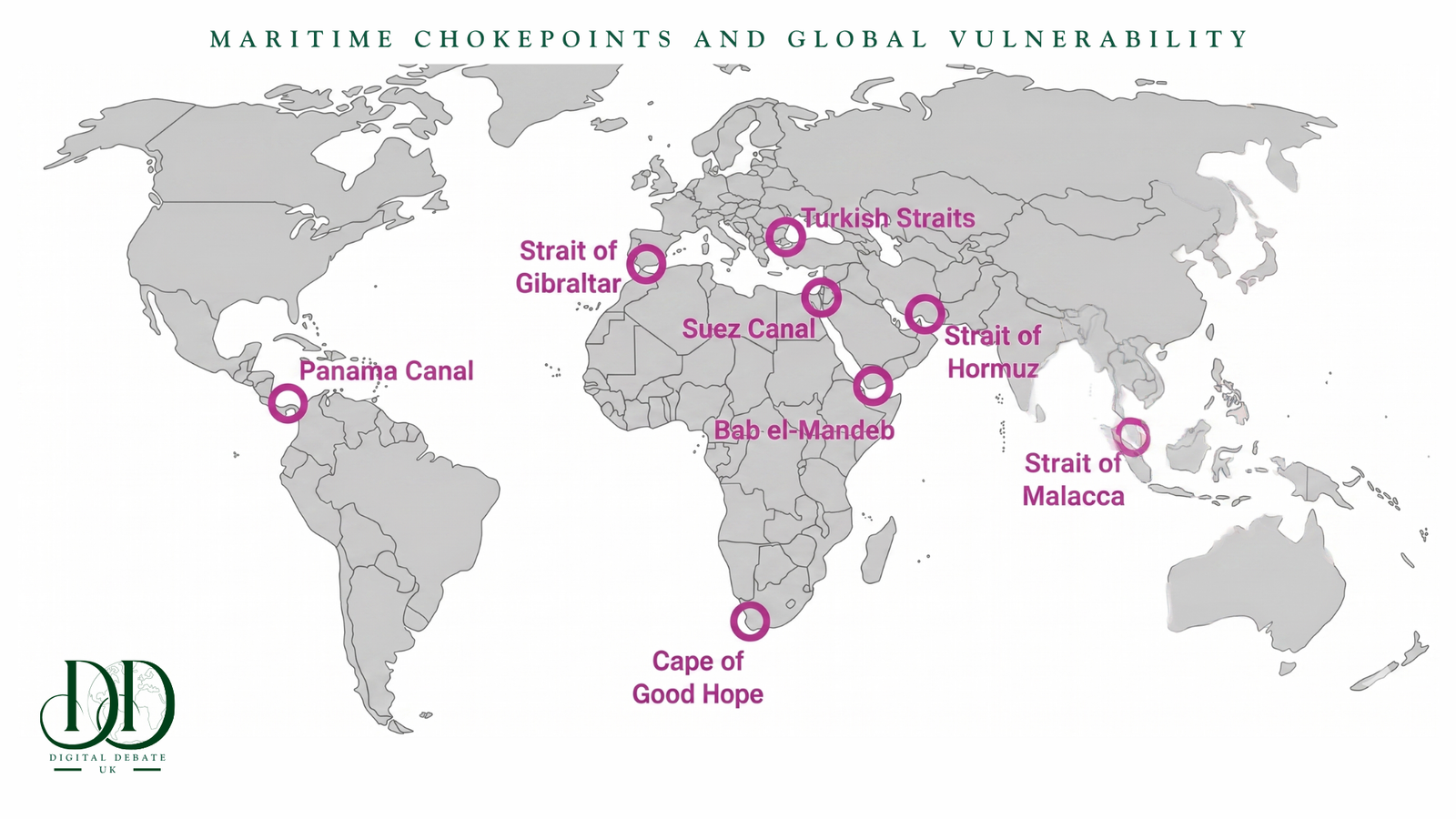
Over 90% of global trade by volume moves by sea, flowing through eight critical maritime chokepoints. A disruption to any one of them sends shockwaves through global supply chains. The Eight Chokepoints 1. The Strait of Malacca (Malaysia/Sumatra) 2. The Strait of Hormuz (Iran/Oman) 3. The Suez Canal (Egypt) 4. The Panama Canal (Panama)…

At the Edge of an Arms Race: The Limits of the NPT Review Process
•
The forthcoming review conference of the Nuclear Non-Proliferation Treaty (NPT) convenes at a flashpoint for the global nuclear order. Once known as the bedrock of international security, the treaty is buckling under the weight of geopolitical rivalries and rapid technological shifts. With the world’s total nuclear inventory hovering around 12,100 warheads, expectations that this…

War by Algorithm: The Catastrophic Reality of Algorithmic Warfare and the Imperative for MENAP’s Sovereign Infrastructure
•
The contemporary global order is undergoing a fundamental and highly volatile reconfiguration. Traditional metrics of national power, such as military hardware, territorial expanse, and conventional diplomatic reach, are being rapidly superseded by the control of digital systems. This technological evolution has birthed a borderless digital battlefield characterised by persistent, low-level competition involving code, data,…

The Hydro-Geopolitical Chessboard: The Teesta River Dispute, China’s Ingress, and India’s Strategic Dilemma
•
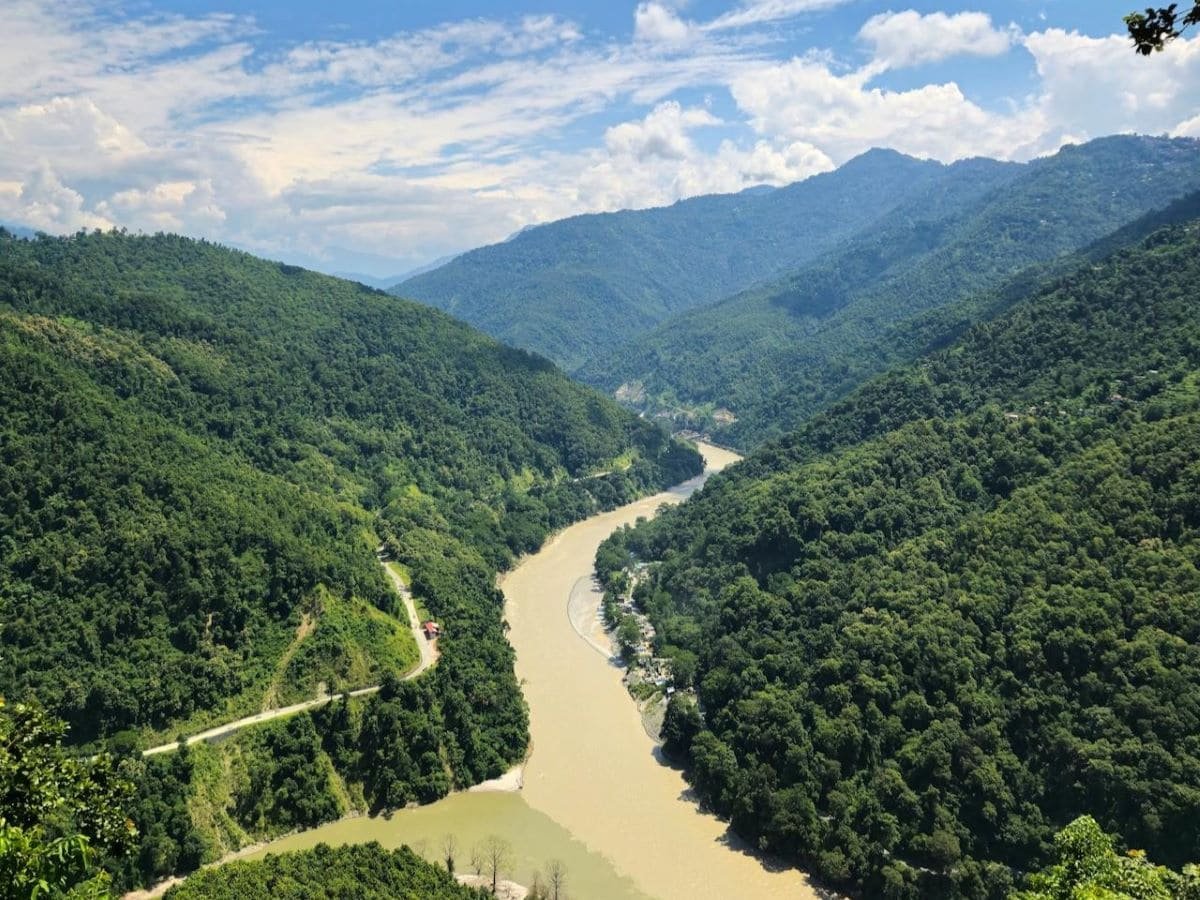
Transboundary rivers have historically served as the lifelines of human civilisation, yet in modern South Asia, they increasingly function as arenas of intense geopolitical competition. The long-festering dispute over the Teesta River between India and Bangladesh serves as a prime case study of how a localised, upper-versus-lower riparian resource conflict can mutate into a…

Maritime Chokepoints and Global Vulnerability: From the Suez Blockage to the 2026 Hormuz Crisis
•
Maritime chokepoints are the narrow arteries through which the lifeblood of the global economy flows. These critical passages, whether natural straits or man-made canals, handle a disproportionate share of global trade, energy shipments, and strategic naval movement. While often overlooked in everyday discourse, their importance becomes starkly visible when disruption occurs. Events such as…