
Pakistan’s Strategic Repositioning in the Post-Galwan Era: From Continental Balancing to Global Diplomatic Centrality
•
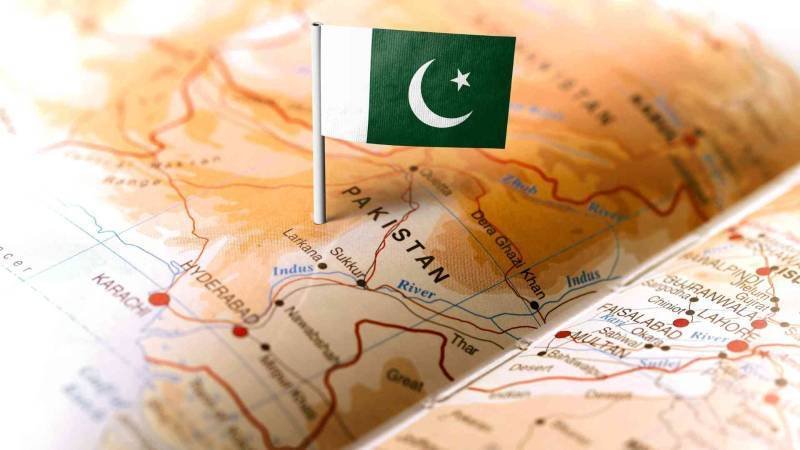
The geopolitical landscape of South Asia has undergone a profound structural transformation. While the June 2020 Sino-Indian clash in the Galwan Valley established a new strategic reality along the Himalayan frontier, developments throughout 2026 have fundamentally altered Pakistan’s regional and international position. India’s unilateral constitutional and cartographic changes concerning Jammu, Kashmir and Ladakh strengthened…

The Illusion of Stability: Assessing the Impact of Extra-Regional Actors in the Indian Ocean
•
For over a decade, the strategic discourse surrounding the Indian Ocean Region (IOR) has been heavily influenced by the narrative of India aspiring to act as a “net security provider”. However, the recent escalation of maritime incidents in the Gulf of Oman and the broader Arabian Sea has cast a significant shadow over this…

Breaking the Nuclear Deadlock: Kazakhstan’s Strategic Leverage in the US–Iran Ceasefire Negotiations
•
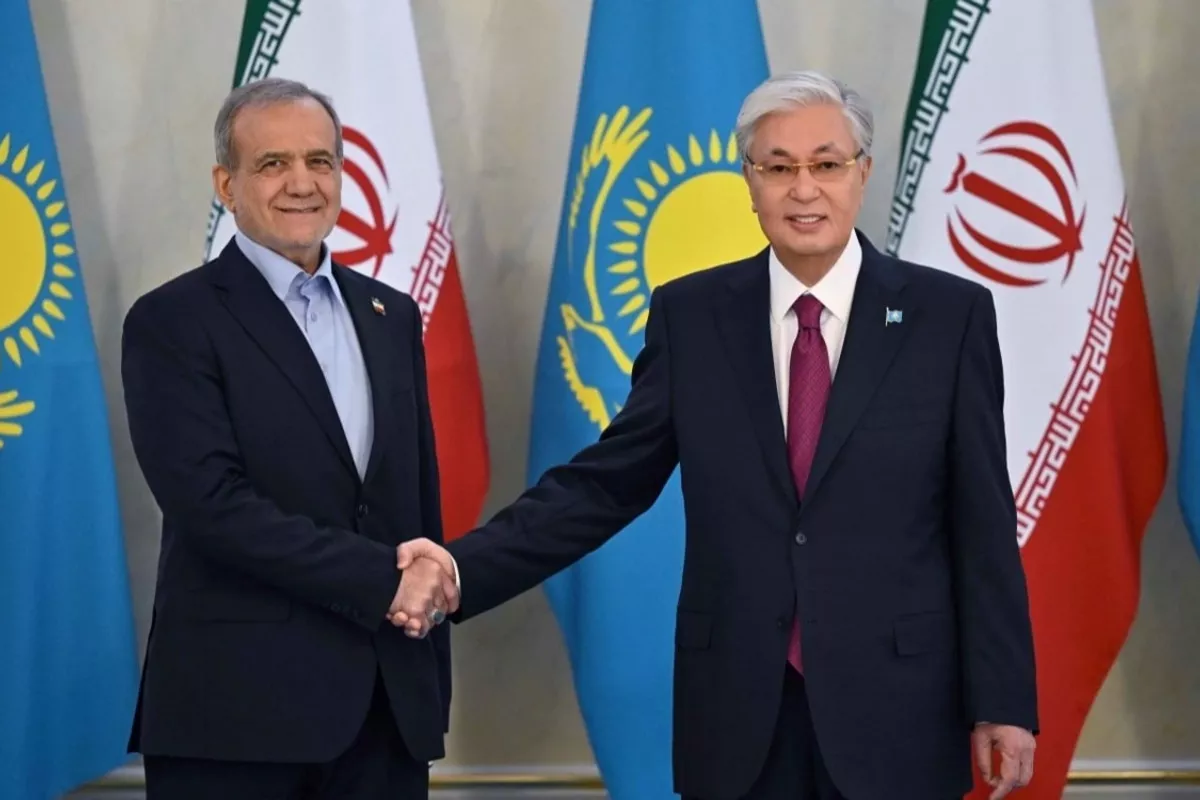
The current phase of back-channel diplomatic negotiations between Washington and Tehran has reached a critical juncture, with the final disposition of Iran’s highly enriched uranium stockpile emerging as the primary obstacle to a sustainable regional settlement. Following the military operations conducted by a joint United States and Israeli coalition against major Iranian nuclear sites,…
The Masterclass of Strategic Realism: Pakistan’s Diplomatic Resurgence in 2026
•
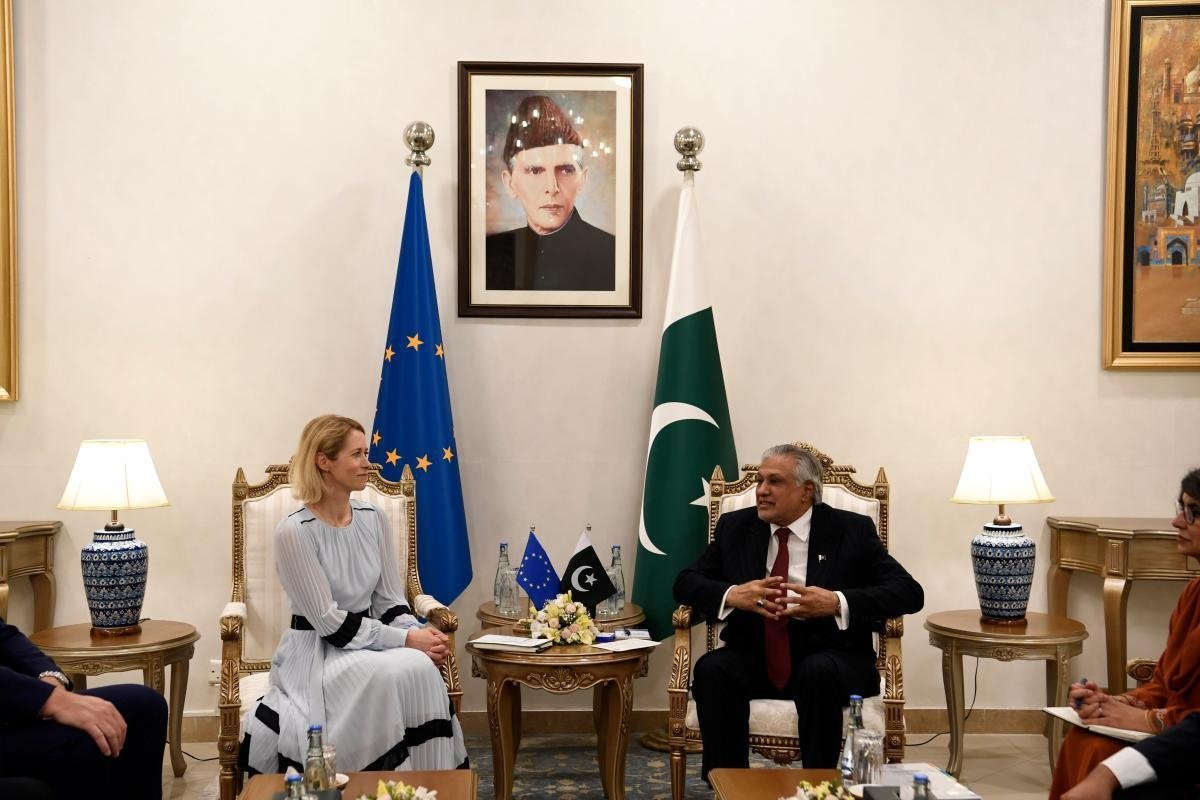
Following years of relative geopolitical isolation, Pakistan has achieved a remarkable diplomatic resurgence, positioning itself as an indispensable mediator in the volatile Middle East. This shift marks a transition from a submissive foreign policy to a pragmatic, multipolar strategy of strategic realism. Rather than aligning strictly with a single superpower, Islamabad has maintained parallel,…

War by Algorithm: The Catastrophic Reality of Algorithmic Warfare and the Imperative for MENAP’s Sovereign Infrastructure
•
The contemporary global order is undergoing a fundamental and highly volatile reconfiguration. Traditional metrics of national power, such as military hardware, territorial expanse, and conventional diplomatic reach, are being rapidly superseded by the control of digital systems. This technological evolution has birthed a borderless digital battlefield characterised by persistent, low-level competition involving code, data,…